Our History
The Birth of a Rivalry (1899)
CHAPTER 1
A Club Upon the Water
CHAPTER 2
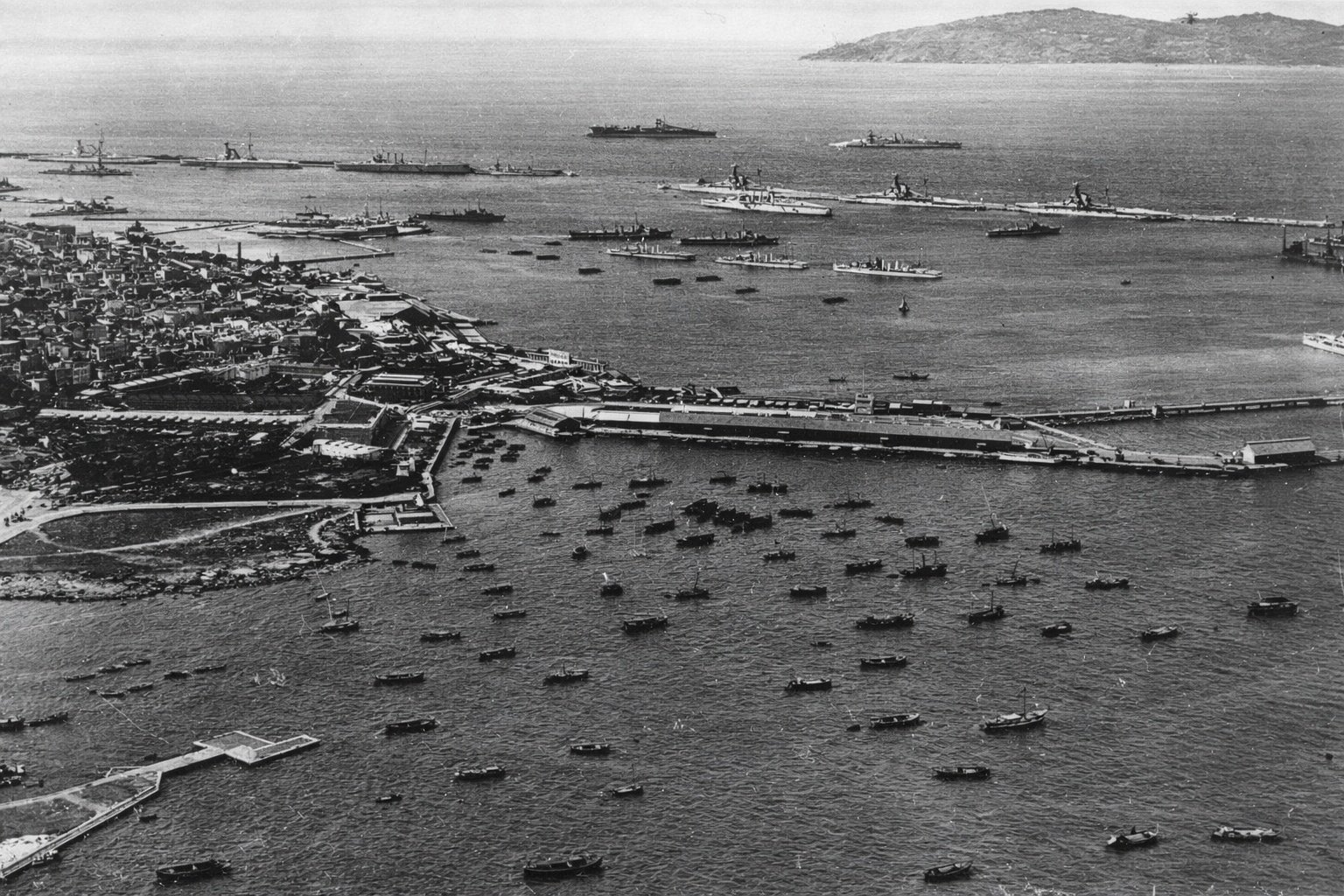
The Harbour as Arena
CHAPTER 3
Change Beneath the Oars (1996)
CHAPTER IV
The Enduring Spirit of Med
CHAPTER V
Still Rowing
EPILOGUE
At the close of the nineteenth century, Gibraltar was a place defined by the sea. The harbour was its heartbeat, and along its waters grew a culture of endurance, pride, and competition. Rowing was not merely a pastime—it was identity.
From within the ranks of Calpe Rowing Club, tensions quietly gathered. Differences among members—whether of vision, leadership, or ambition—ultimately gave rise to a break. In 1899, those divisions crystallised into something new: the Mediterranean Rowing Club, known simply and affectionately as “Med.”
From that moment, Gibraltar did not just have two rowing clubs—it had a rivalry. And not just any rivalry, but one that would come to define generations.
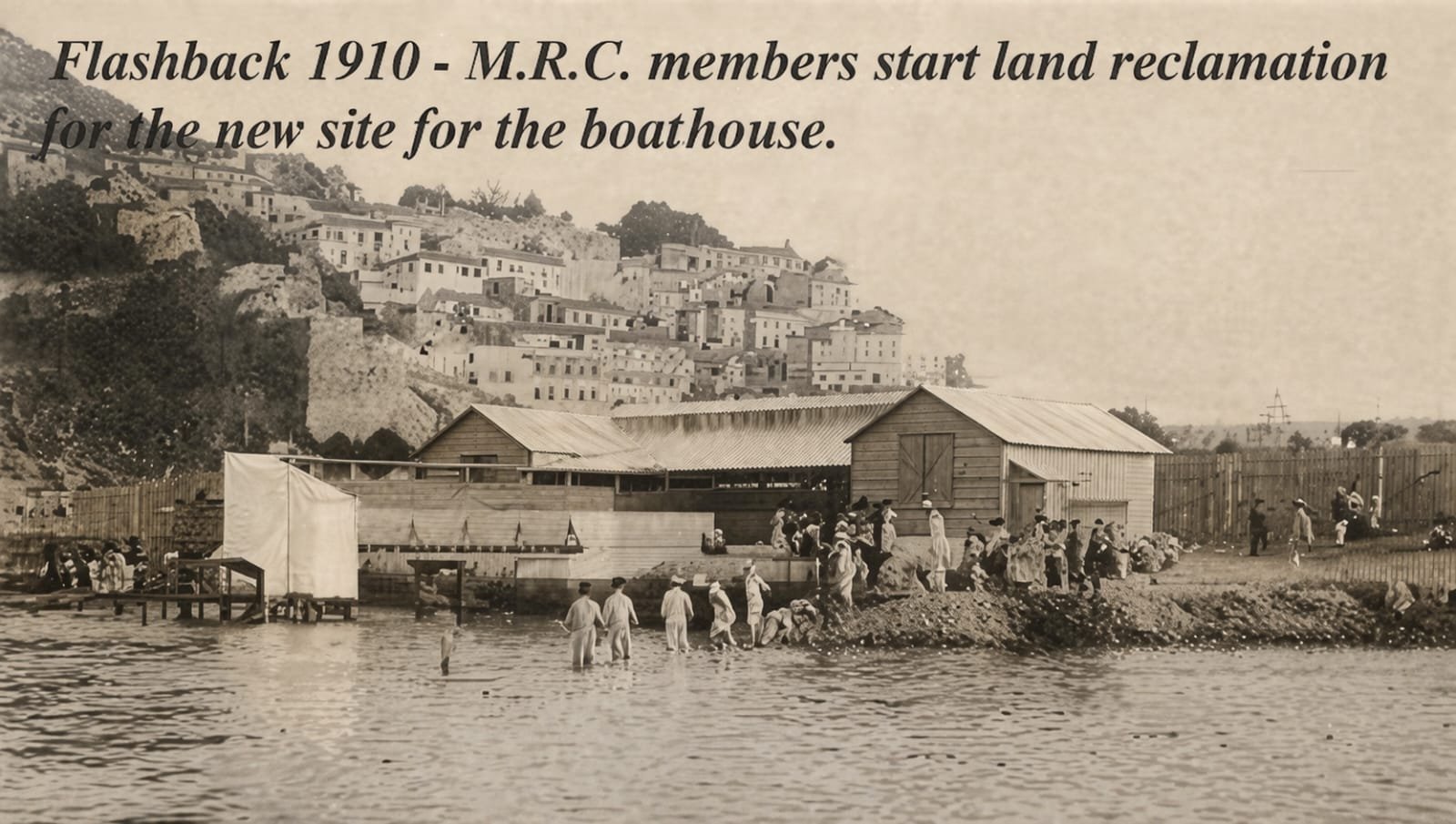
In its earliest days, Med did not enjoy the permanence of stone walls or fixed foundations. Instead, it floated.
Its home was a boathouse upon the water, shifting gently with the tides of the harbour it depended on. It was humble, but it was alive—creaking timber, salt-stained ropes, and the constant rhythm of oars dipping into the sea.
Later, the club found more stable footing near Marina Bay, by Glacis Road, but even then, nothing about rowing in Gibraltar was simple.
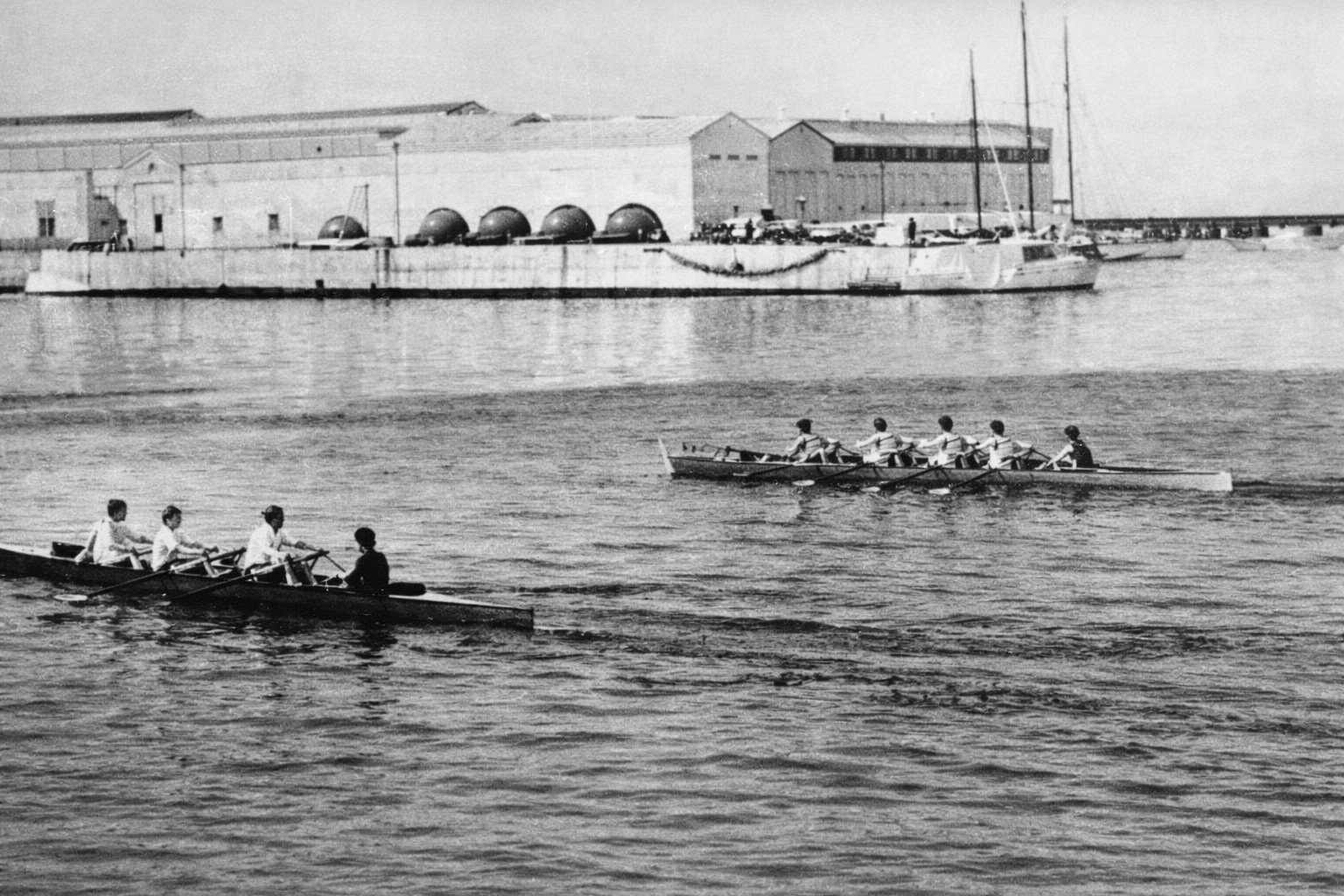
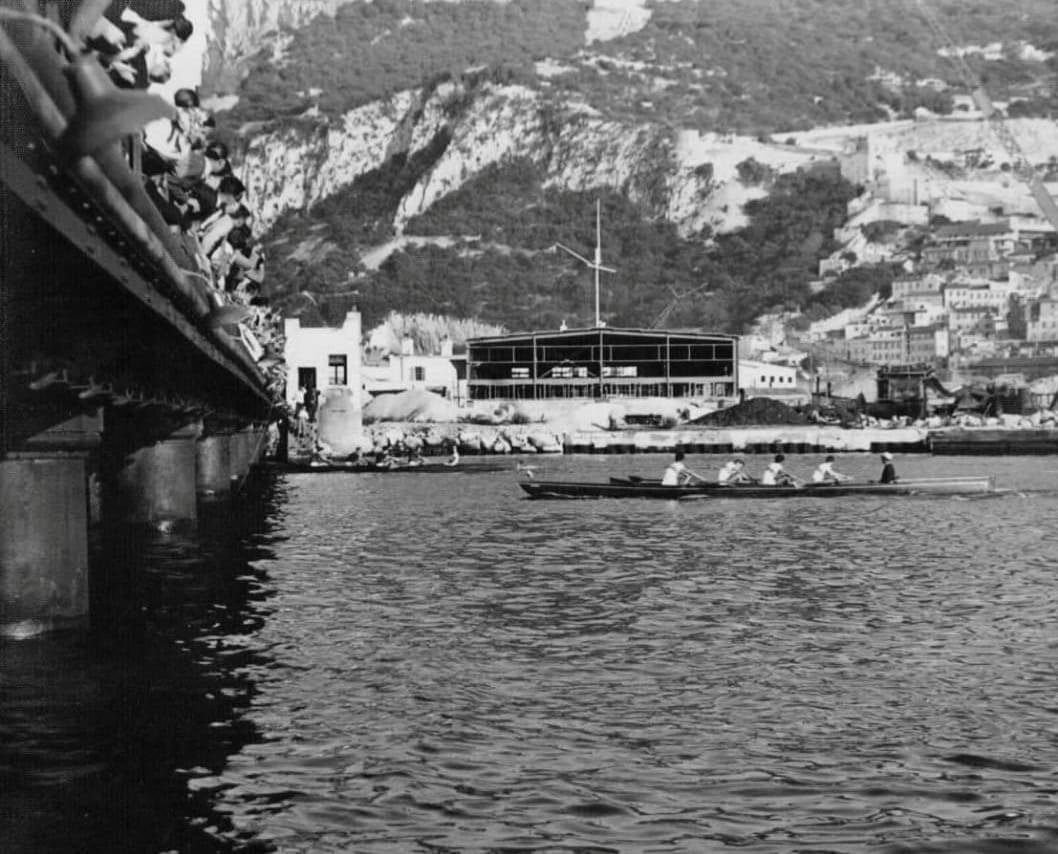
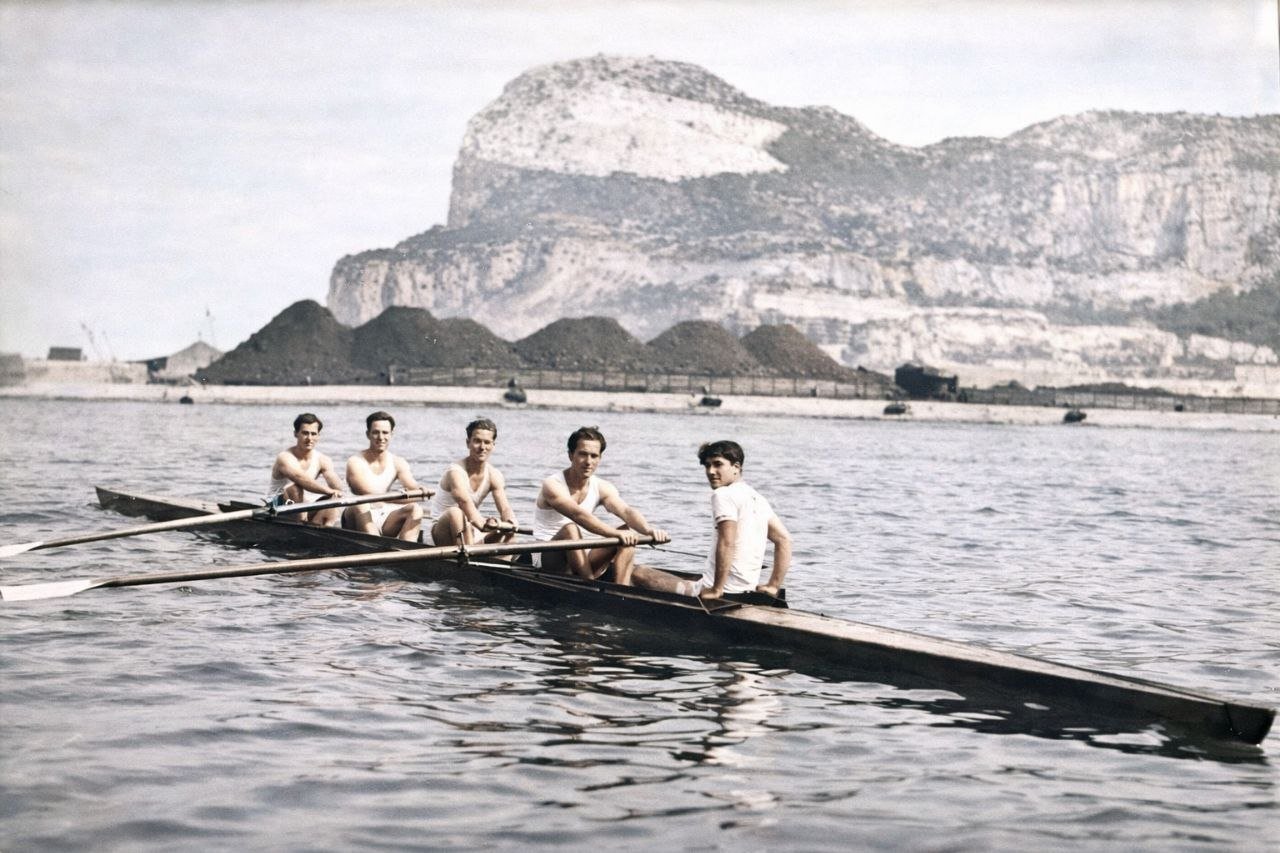
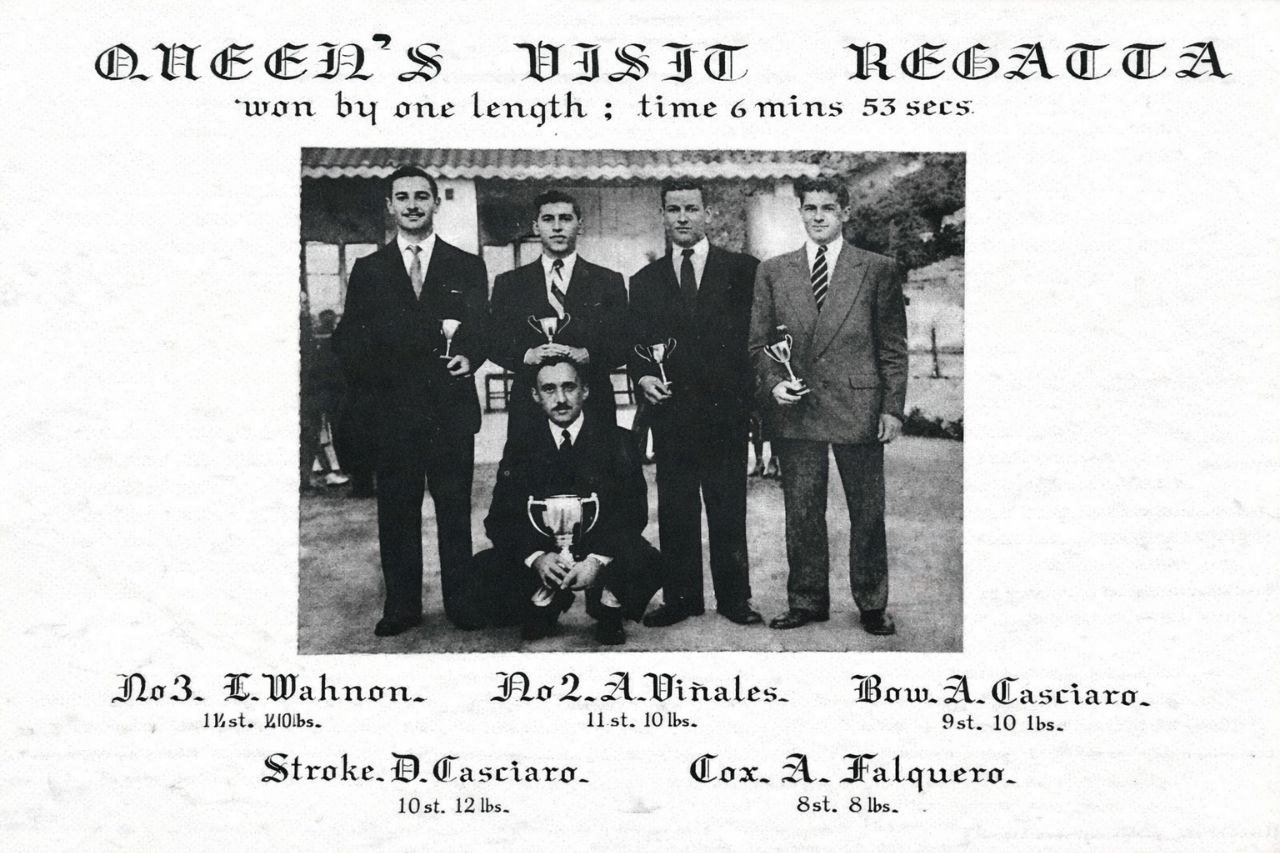
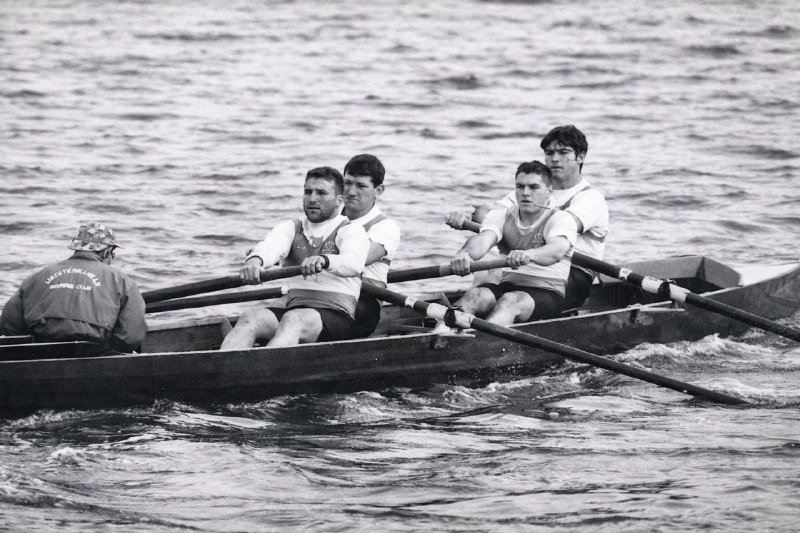
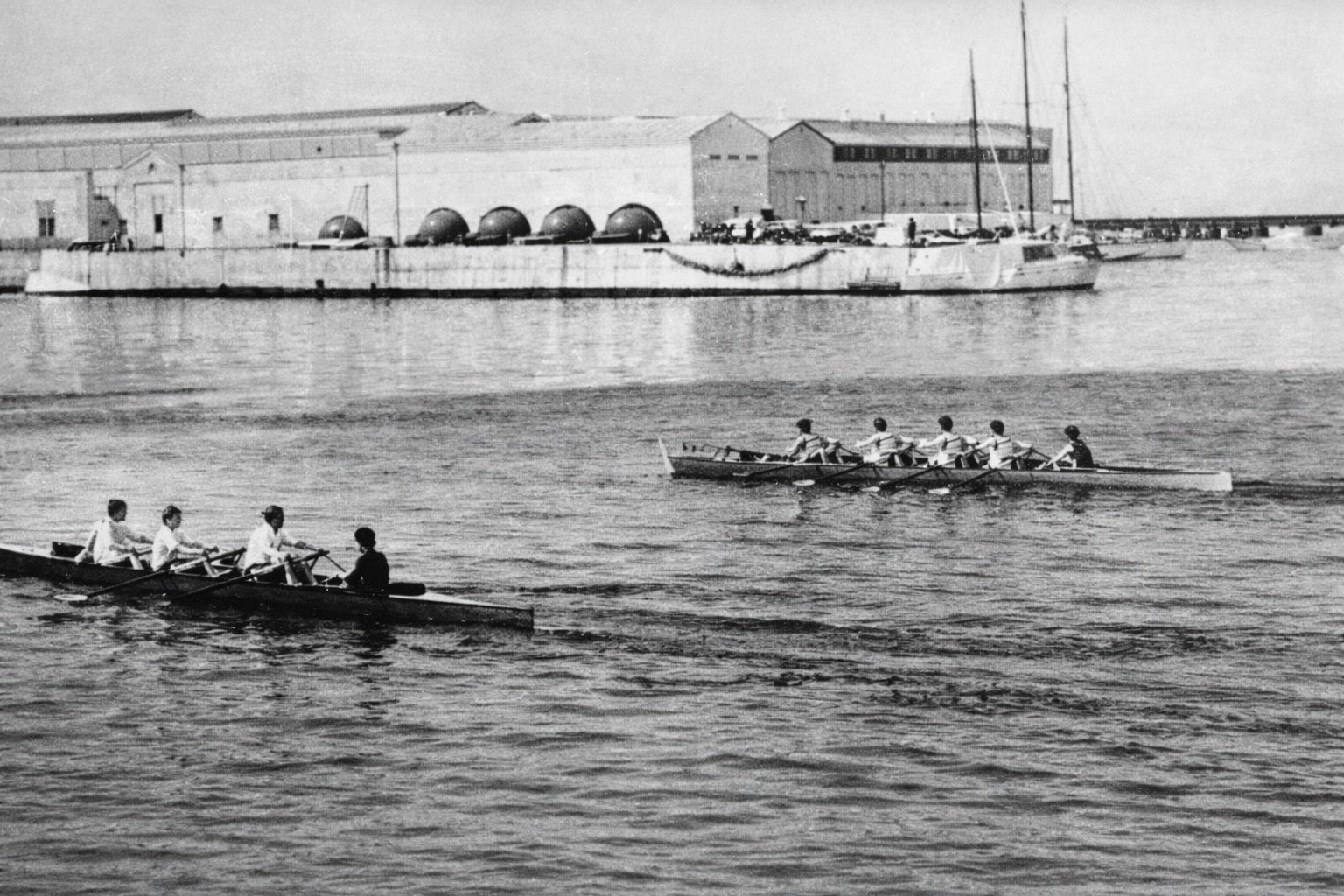
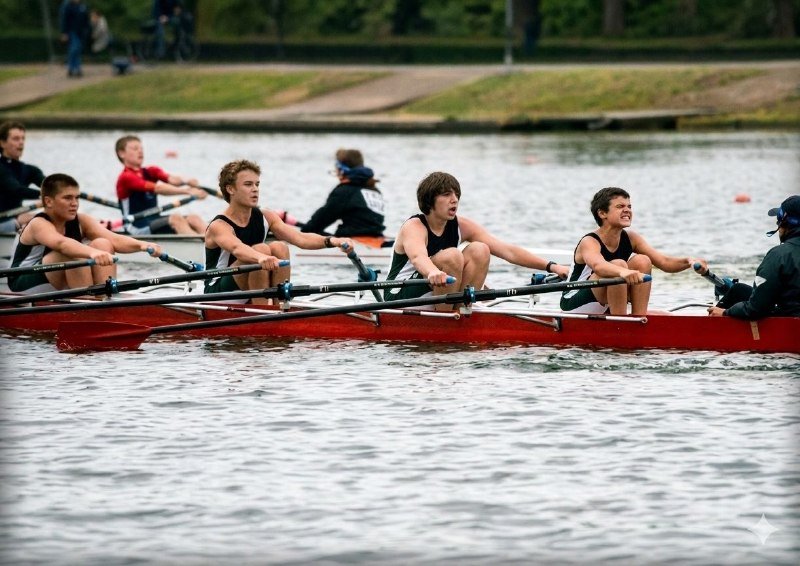
The crews rowed in traditional four-man yolas, sturdy Italian-style boats with fixed seats. Training demanded more than strength—it required navigation, awareness, and resilience. To reach the open harbour waters where races were held, rowers had to guide their boats beneath the North Mole viaduct, slipping from narrower confines into the wide, working harbour beyond.
There, among ships and shifting tides, they trained.
The harbour became Med’s proving ground.
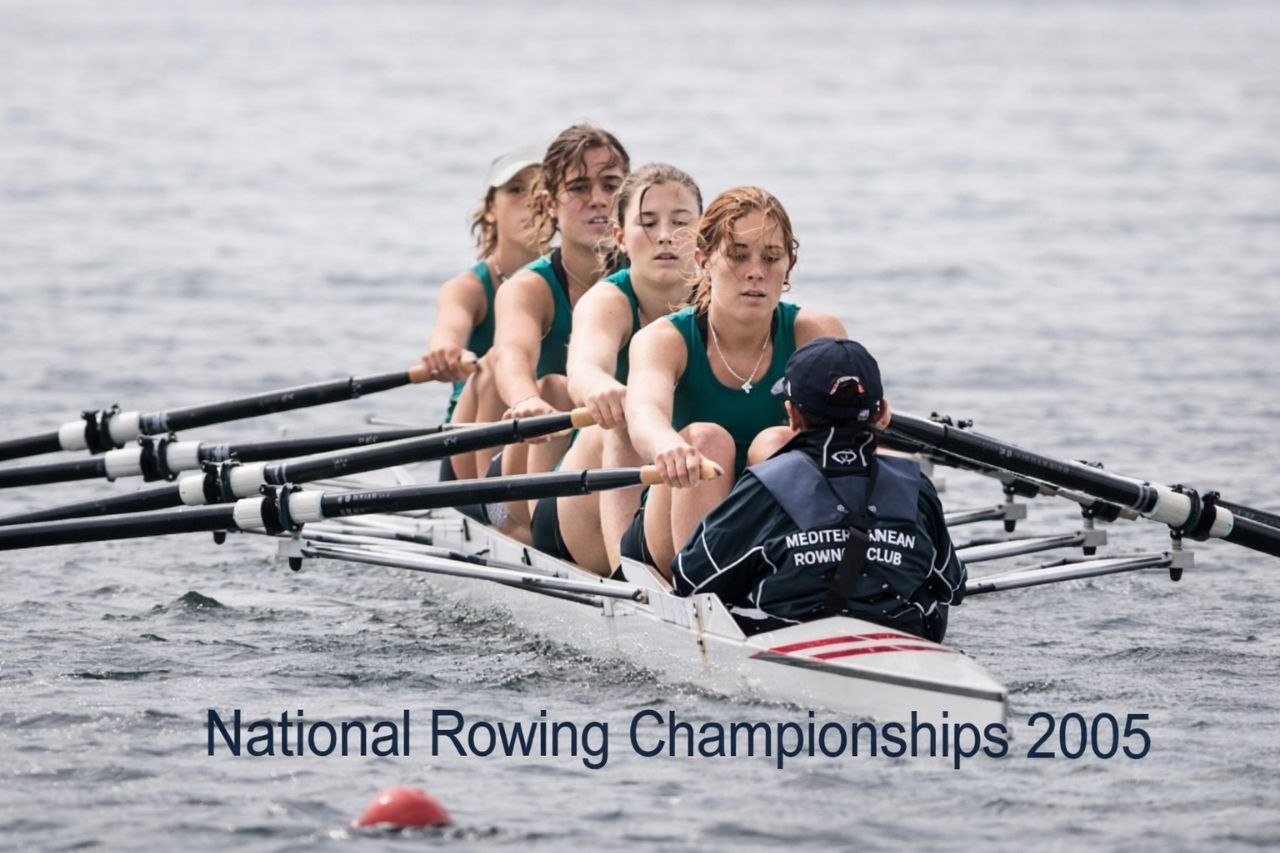
Each outing was a test—not only of speed and coordination, but of discipline. Timing mattered. Positioning mattered. And above all, unity mattered. Four men rowing as one, guided by rhythm and trust, carving a path through waters shared with commerce and industry.
Across those same waters waited their constant adversaries: Calpe.
The rivalry between the two clubs grew naturally, almost inevitably. What had begun as a disagreement had matured into a contest of identity. Colours, crews, and communities aligned themselves, and with each race the stakes felt just a little higher.
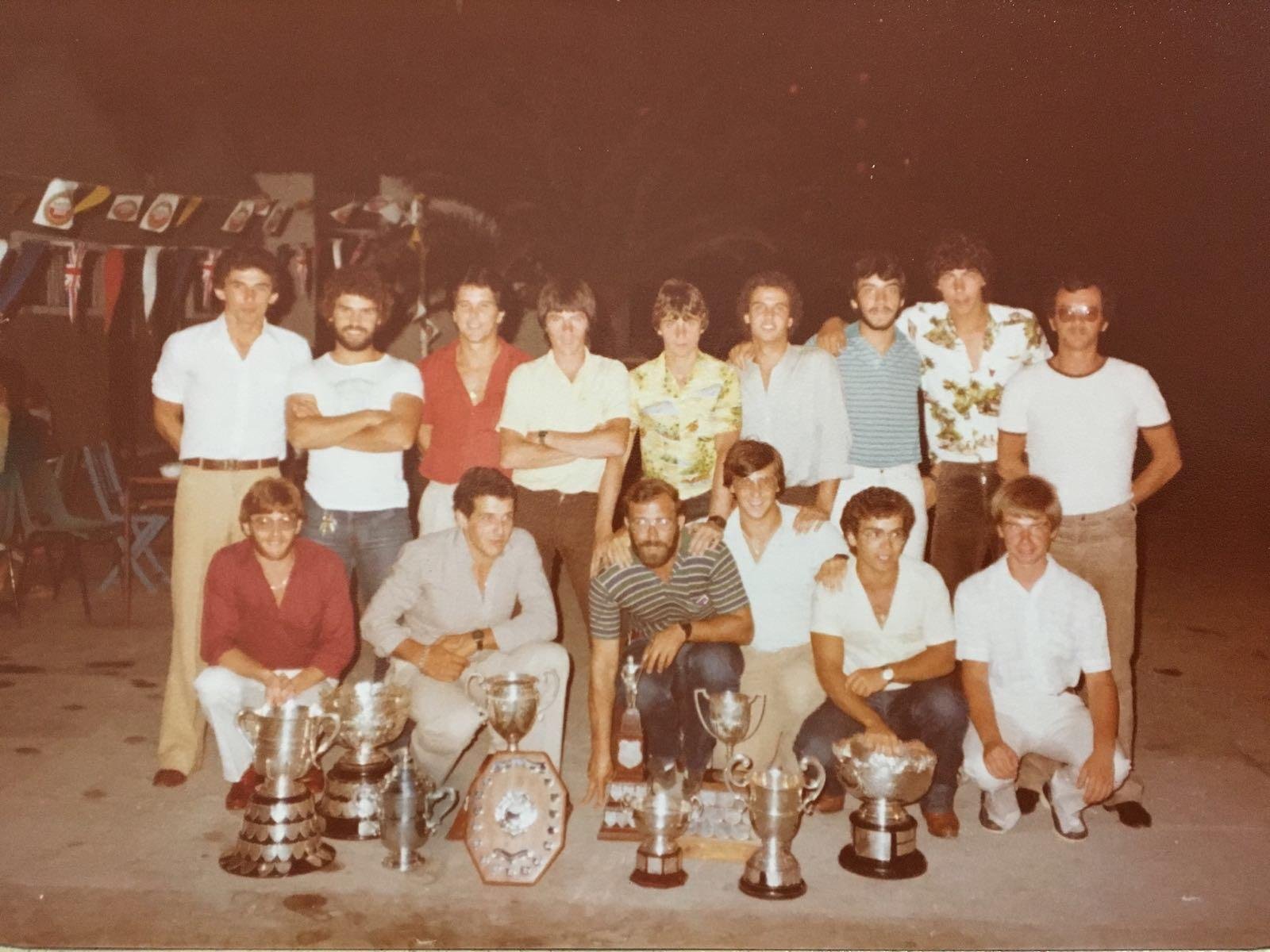
Victories were celebrated loudly. Defeats lingered quietly. And the cycle continued.
By the late twentieth century, Gibraltar itself was changing.
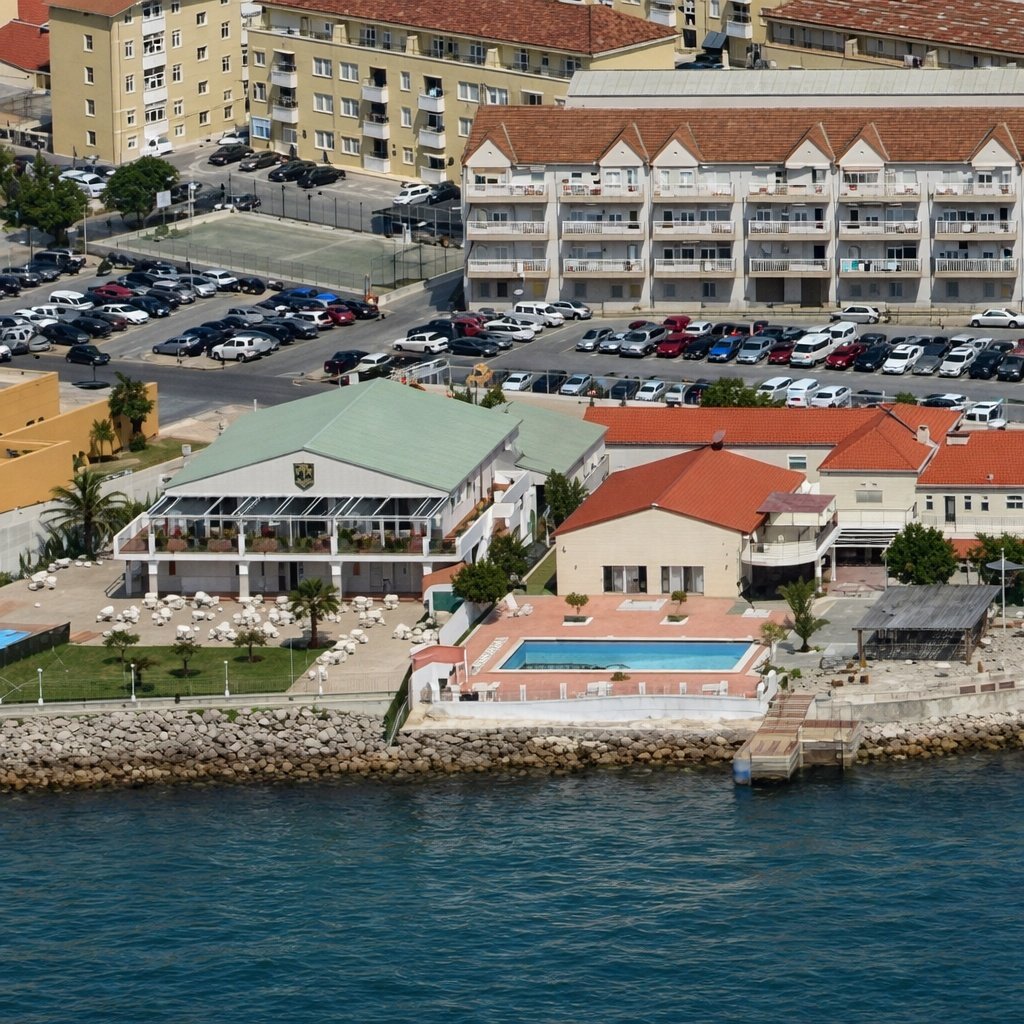
Land reclamation projects reshaped the coastline, altering not only the geography of the harbour but the lives built around it. In 1996, these changes reached Med directly. The club was forced to leave its long-held base near Marina Bay.
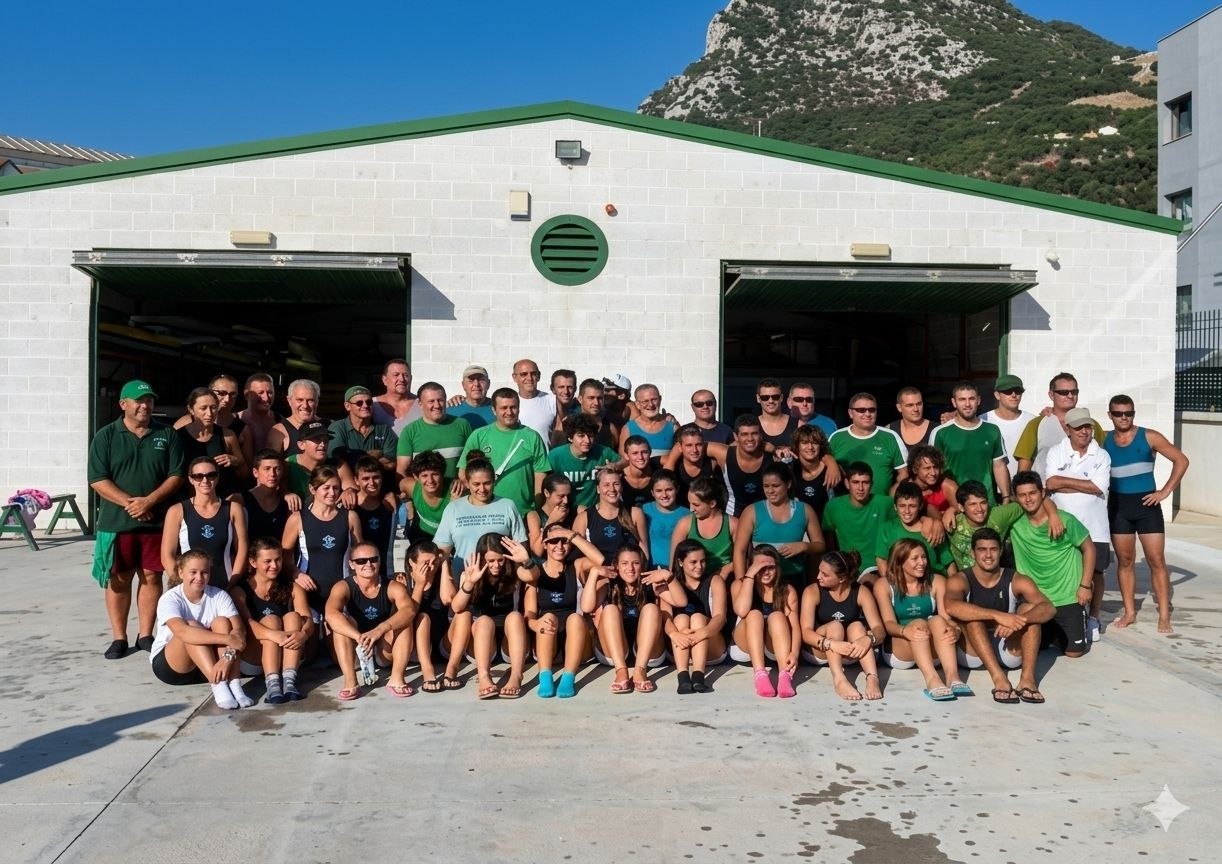
Its new home would be within the harbour itself, along Europort Road.
And there, in a twist that history seemed almost destined to produce, Med found itself side by side with Calpe.
No longer separated by distance or harbour routes, the two clubs now existed within metres of each other. Boats launched into the same waters. Crews trained within sight of their rivals. The rivalry, once stretched across space, was now compressed into daily proximity.
It did not weaken—it intensified.
Through all its changes—floating beginnings, shifting homes, evolving waters—the Mediterranean Rowing Club has remained constant in one thing: spirit.
It is a club born not just from disagreement, but from determination. A club shaped by the sea, by hardship, and by the quiet discipline of those who rise early to train and return again to compete.
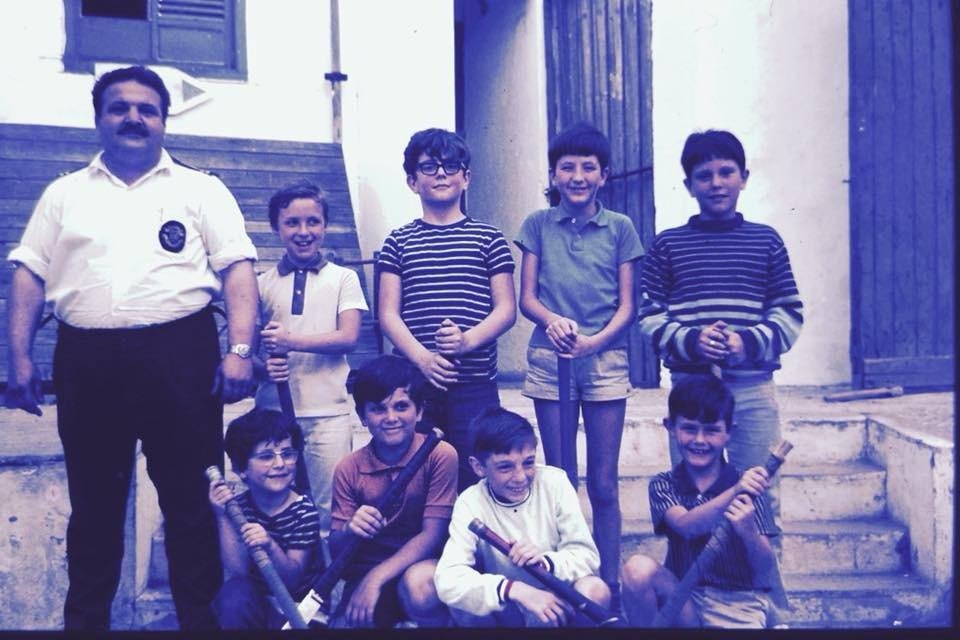
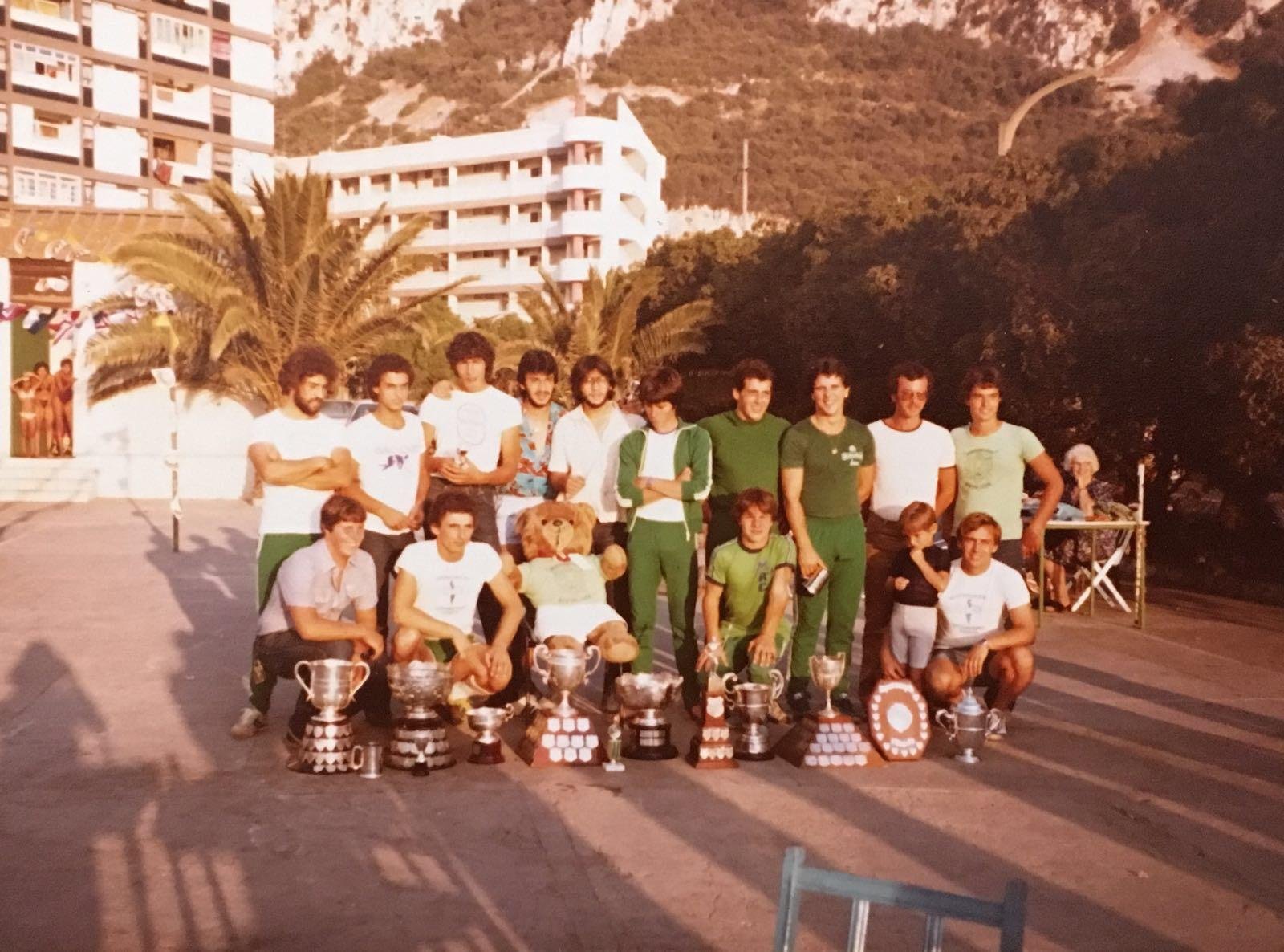
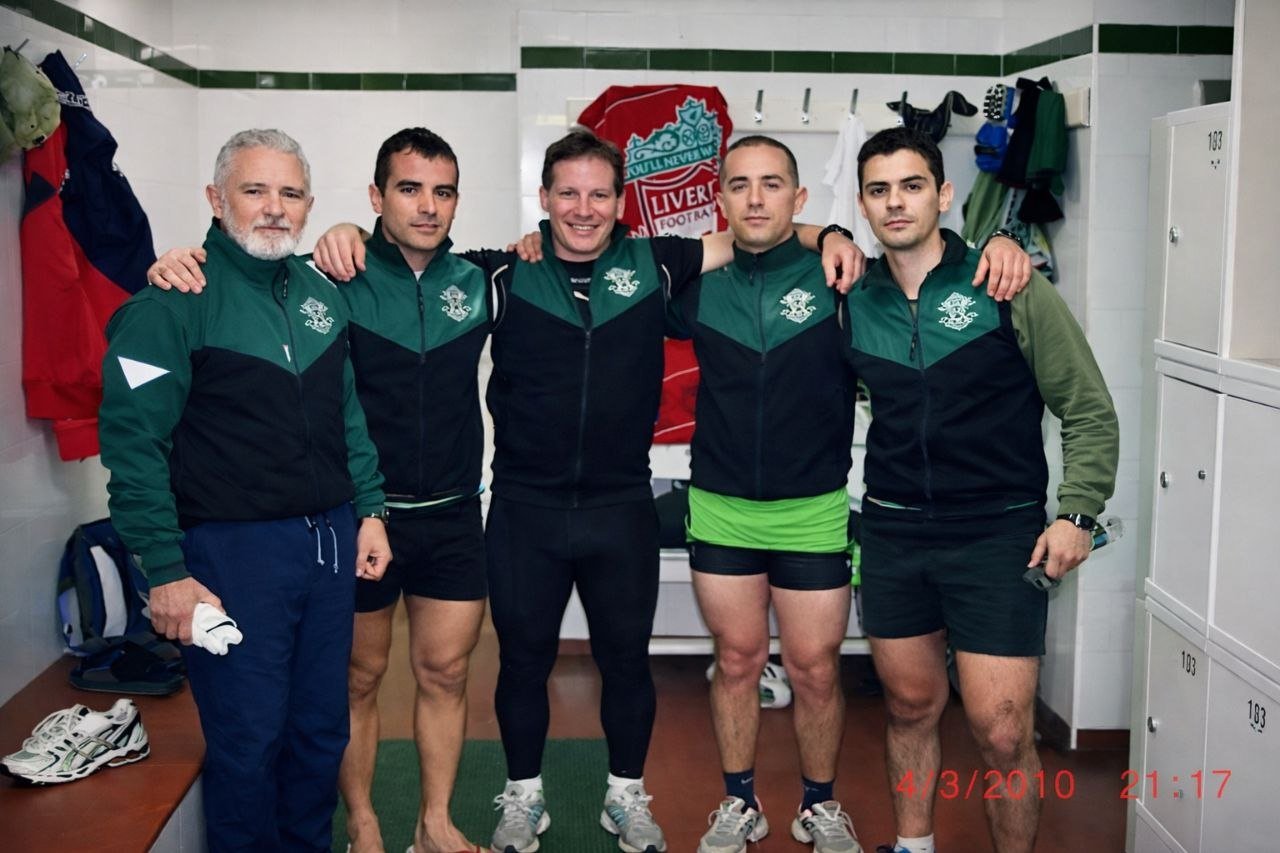
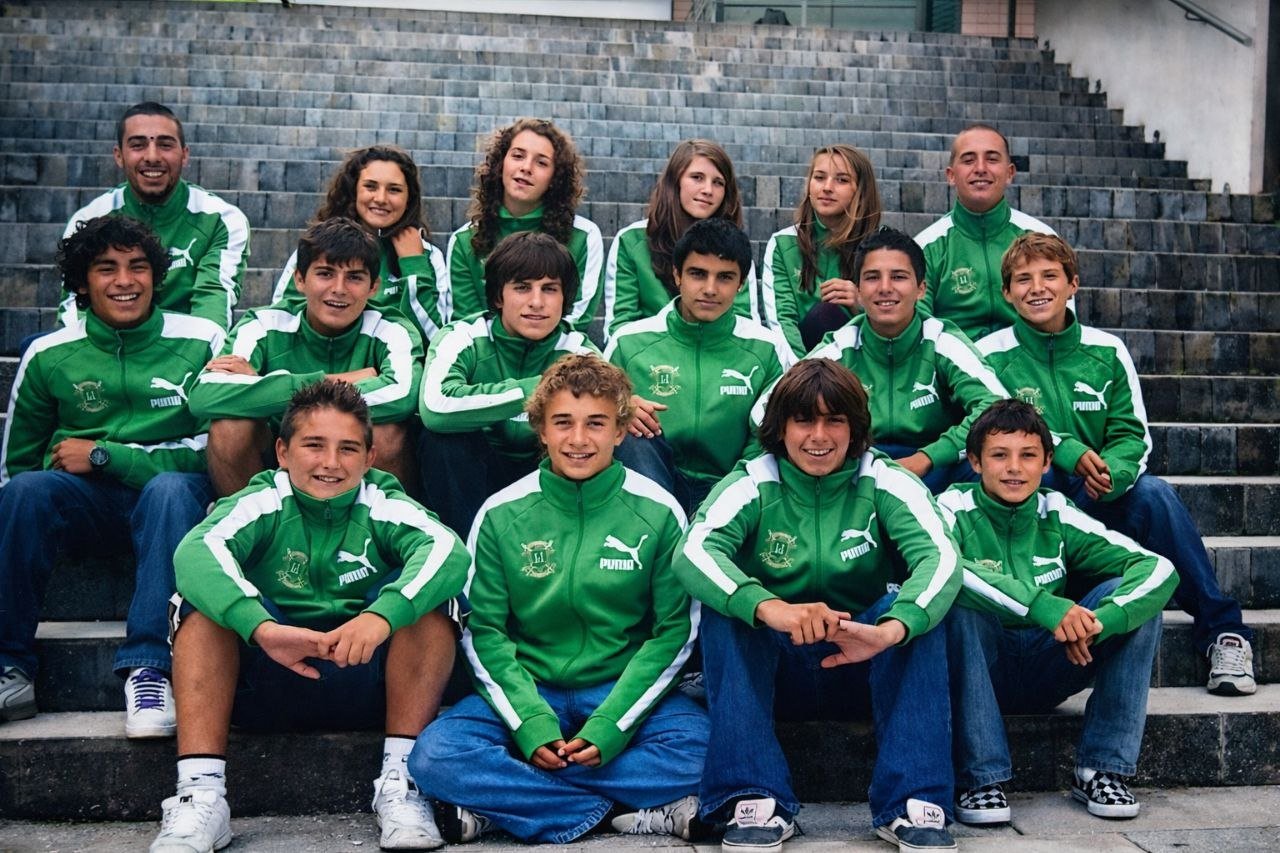
Its rivalry with Calpe endures as perhaps Gibraltar’s oldest and most iconic sporting contest, but it is more than competition. It is tradition passed from one generation to the next. It is families, friendships, and identities tied to colours and crews.
And always, it is the rhythm of oars in the water.
Today, Med stands not as a relic of the past, but as a living part of Gibraltar’s present.
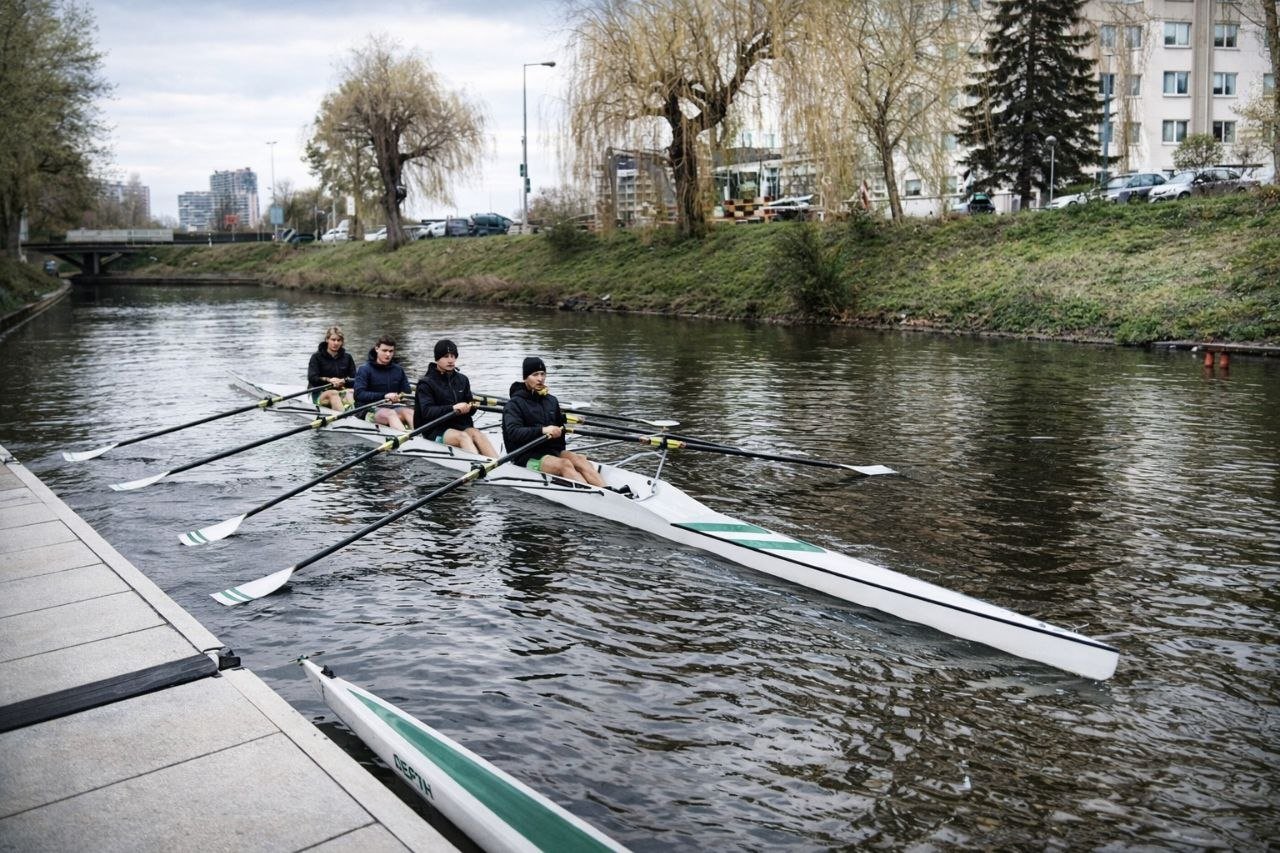
The boats are still launched. The races are still run. The rivalry still burns.
And somewhere in the harbour, as it has for over a century, a crew pulls together—four rowers, one motion—carrying forward a story that began with a disagreement, and became a legacy.